


Thinking about giving your house a fresh look without a full renovation? Changing the color of your garage door might be the simplest upgrade with the biggest visual payoff. The right shade can completely shift your home’s personality, making it feel warmer, bolder, or more modern with just a few coats of paint.
So if you’re ready to enhance your curb appeal (or maybe you just want the exterior of your home to finally feel finished), you’re in the right place. In this guide, we’ll walk through some of the best garage door color ideas to really personalize your space.
But first…
What to Do Before Choosing a Garage Door Color
Before you start comparing color swatches, it helps to look at the bigger picture.
Your garage door should never be an isolated design choice. Instead, it should blend naturally (or thoughtfully contrast) with the rest of your house exterior.
Here are a few things to keep in mind when narrowing down your color options.
Look at Your Home’s Exterior Colors
Start by studying what’s already there, such as the siding, brick, trim, roof, and front door. The existing shades of these elements can make a huge difference in what will complement (or clash) with your garage door color choice.
As a general rule of thumb, if you want your garage door to blend, stick with neutral or coordinating tones. And if you want it to stand out, go for bolder or darker shades that add some contrast.
Decide Whether You Want to Blend In or Stand Out
There’s no “right” answer here. It’s all about your style and what you want people to notice when they look at your home.
If you want your garage door to blend in, consider:
- Choosing a color a shade lighter or darker than your siding.
- Using a neutral tone that doesn’t draw attention, such as taupe, soft white, or warm gray.
- Matching your trim so the garage feels like it’s part of the architecture rather than a focal point.
If you want your garage door to stand out, consider:
- Using a bold, contrasting color, like navy, charcoal, black, or even a rich red.
- Pulling inspiration from your front door to create a coordinated look.
- Choosing a high-contrast finish, such as a dark garage on a light exterior or vice versa.
Consider Heat and Temperature
It’s important to bear in mind that dark colors (especially black) tend to absorb heat, which can warm up the garage on hot days. Lighter colors, on the other hand, reflect more light and help keep temperatures down.
Temperature isn’t everything, but it’s worth thinking about if your garage doubles as a workspace or storage area.
Factor in Maintenance
Some shades hide dirt better than others. For example, a black garage door will show dust and smudges more easily, while lighter, more neutral colors are generally more forgiving.
It’s also worth considering paint quality, as cheap finishes will fade and start to peel faster under sun exposure.
Garage Door Color Ideas (With Examples)
Choosing a garage door color gets a lot easier once you can picture how different shades change the look of your home. If you need some inspiration, here are some of the most popular garage door color ideas to consider.
Black Garage Door
Black garage doors add instant sophistication and depth, and they work especially well on more modern homes or exteriors with high contrast.
- Best for: Homes with light siding, contemporary designs, or sharp architectural lines.
- Style tip: Black absorbs heat and can show dirt more easily, so keep this in mind when choosing your shade.
White or Light Neutral Shades
White, cream, beige, and other lighter colors are clean, timeless, and fit almost any style of home.
- Best for: Traditional homes, warm climates, and exteriors with a lot of natural light.
- Style tip: These shades coordinate well with almost any front door or trim color.
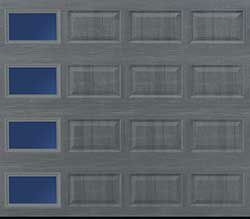
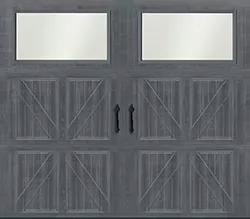
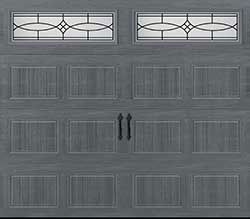
Gray Garage Doors
Gray offers a nice middle ground. It’s subtle, modern, and works well with a wide range of other colors.
- Best for: Homes with brick, stone, or mixed exterior materials.
- Style tip: Pick a gray that’s a shade lighter or darker than your siding. This small difference can add some depth and prevent the garage door from blending in too much.
Beige, Tan & Warm Neutrals
If you want something more relaxed and inviting, warm neutrals are your best bet.
- Best for: Homes with earthy tones, rustic elements, or natural materials like stone or wood.
- Style tip: These shades pair beautifully with nature-inspired palettes.
Blue Shades (Light Blue, Navy, Slate Blue)
Blue is one of those colors that adds personality without screaming for attention.
- Best for: Homes with white trim, gray siding, or cooler-toned brick.
- Style tip: Lighter blues feel fresh and coastal, while navy or slate looks more refined and elegant.
Green Shades (Sage, Olive, Deep Green)
Green tones add a sense of calm, while also connecting your home to its natural surroundings.
- Best for: Homes surrounded by landscaping or with warm-toned materials.
- Style tip: Sage and olive blend beautifully with beige, brown, and wood stains.
Bold Colors (Red, Deep Teal, Mustard)
If you really want your garage door to stand out, consider a bold color to add instant personality.
- Best for: Homeowners who want contrast or a standout feature.
- Style tip: Look at the color wheel and choose a complementary color that works with your existing siding and trim. This is the best way to create contrast that feels intentional, without overpowering everything else.
Wood Tones (Stained or Faux Wood Finishes)
If you want to add some warmth and character without changing your home’s entire exterior, wood tones are an excellent option.
- Best for: Homes with rustic, Craftsman, farmhouse, or traditional styles; or any exterior that could use a little extra warmth and dimension.
- Style tip: Pay attention to the undertone of the stain (warm, cool, or neutral). When your garage door’s undertone matches (or complements) your trim or front door, the whole exterior instantly feels more pulled together.
3 Essential Tips for Testing and Finalizing Your Garage Door Color
Once you’ve narrowed down your favorite shades, it’s time to do a little testing to make sure the color looks exactly how you want it. Here are some practical testing tips.
Tip #1: Test Your Favorite Colors in Real Lighting
Exterior colors can change throughout the day, depending on the light. That means there’s a chance that the shade you love looks perfect in the morning… but it might feel too dark or washed out by sunset.
To get a feel for what your favorite colors actually look like, paint a few sample swatches directly on the garage (or use sample boards), and then check on them at different times during the day.
Tip #2: Look at the Color From a Distance
Don’t just judge the color up close. Stand across the yard or even across the street to get a feel for how the shade actually works with your siding, trim, front door, and even the landscaping around your home.
Tip #3: Pay Attention to Undertones
Two different grays may look similar in the paint can, but once they hit the garage door, they look completely different. For example, some lean warmer, while others lean cooler. These subtle undertones can make a massive difference in how well the color fits your exterior, so it’s worth taking the time to compare them (even if you think they’ll look exactly the same).
How to Paint a Garage Door
Found a color you love? Steel and wood doors need different prep, so here is how to paint each one for a finish that lasts.
Steel Garage Doors
- Lightly sand any rough spots and look for bare metal.
- Prime bare metal with a primer made for galvanized steel, and let it dry as the label says.
- Wash the door with mild soap and water, rinse it, and paint within a day of cleaning.
- Use a high-quality 100% acrylic exterior latex paint. Don’t use oil-based paint.
- Follow the paint label for temperature, sun and number of coats, and use painter’s tape between colors.
Dark colors on an insulated steel door can cause thermal bowing: on a hot, sunny day the outside skin heats up and the closed door bows slightly. It is normal for insulated doors, but it is worth knowing before you paint a sunny door black. Painting a door yourself can also void the factory finish warranty.
Wood Garage Doors
- Lightly sand the surface and wipe it with a dry rag.
- Seal all six sides of every section, front, back and all four edges. On a new door, do this before it is installed.
- Apply one coat of exterior primer or stain, then two coats of quality exterior paint, or sealer over the stain.
- Skip dark paint or stain on wood doors that face south or west, where full sun is hardest on the finish.
Skip the Brush: Amarr Color Zone
Amarr Color Zone is a factory-applied color option on most Amarr steel doors. You can match your shutters, trim or front door with more than 800 Sherwin-Williams colors, applied at the factory instead of by brush in your driveway. We are an authorized Amarr dealer and can show you the options on a free estimate.
Good to know: paint adds weight to a door. A heavier door can throw off the spring balance and make the opener work harder, so if the door feels heavier after painting, have the balance checked on a tune-up.
Elevating Your Home’s Exterior With the Right Garage Door
Choosing the right garage door color can completely refresh the way your home looks, but sometimes color is only part of the upgrade.
A completely new garage door gives you the chance to rethink everything, like style, materials, insulation, and the overall aesthetic (not just the shade), so you can get the look you want and the practical upgrades you need.
Want to revamp the entire look of your home? We’re here to help! Get in touch today for a free garage door consultation and quote.
Frequently Asked Questions About Garage Door Color Ideas
How do I choose a garage door color that fits my neighborhood?
Start by looking at the homes around you. Some neighborhoods lean toward classic neutrals, while others embrace more modern or bold styles. You don’t have to match every house on the street, but choosing a color that makes sense with your area prevents your home from looking out of place.
I’m feeling overwhelmed by all the garage door color options, what should I do?
With so many garage door color ideas out there, it’s only normal to feel stuck when choosing a garage door color.
If you’re struggling to choose, try to narrow things down by taking stock of your home’s siding, trim, and roof colors. From there, decide whether you want your garage door to blend in or stand out. Next, test a few sample swatches directly on the door, making sure to check at different times of the day and from different perspectives.
Should my garage door be the same color as my house?
It can be, but it doesn’t have to. Many homeowners assume that matching the garage to the siding will automatically look clean and cohesive, but it can actually make the exterior feel flat.
A better plan is to choose a shade that’s slightly lighter or darker than your siding, or match the garage door to your trim or front door instead. These small differences can add some depth and give your home a more intentional, polished look.
Need help? Call Proactive
Ready for a new door in your new color? See our garage door installation options, or keep your current door running with garage door repair. Call (440) 876-4444; the estimate is free.