


Ever walk into your garage and feel like you’ve stepped into a dim, unfinished version of your actual home?
We’ve all been there.
The garage is one of the biggest rooms in the house, but too often it’s treated like a catch-all storage zone, rather than a functional space worthy of the same attention you give the rest of your home.
One of the easiest ways to make it feel a bit more polished? Slap on a fresh coat of paint. Not sure where to start? Read on for our guide on the best colors for garage walls to help your garage look cleaner, brighter, and a whole lot more put-together.
What to Consider Before Choosing a Garage Wall Paint Color
It’s tempting to scroll through Pinterest and pick a color you love. But before you get too carried away, there are a few real-world factors you’ll want to think through. Here are a few things to keep in mind as you choose the best color for your garage walls.
| 1. The Condition of Your Surfaces | Unfinished drywall: Will need sanding, primer, and a durable topcoat.
Concrete: Will require cleaning, sealing, and the proper interior/exterior paint based on moisture levels. Older walls: May need patching and smoothing before painting. |
Different surfaces absorb paint differently.
The better the prep, the better your paint will look and hold up over time. |
| 2. How Much Natural Light You Get | No windows (limited light): Your garage will feel darker, so lighter paint colors make the biggest impact here.
A few windows (some light): You have a bit more flexibility, but lighter neutrals will still help keep the space feeling open and bright. |
Understanding your lighting helps you choose a color that actually works with the space, not against it. |
| 3. Paint Sheen | Semi-gloss: Best for garages, as it’s easy to clean and reflects more light.
Eggshell: Softer shine with solid durability. Flat: Not ideal for garages, as it shows marks easily and doesn’t clean well. Gloss: Oftentimes too shiny for walls but great for trim or cabinets. |
Sheen influences brightness, durability, and how well the walls resist dirt, scuffs, and moisture.
This is super important for high-traffic areas like the garage. |
| 4. Interior Paint vs. Exterior Paint | Interior paint: Works for most garages with stable temperatures and low moisture.
Exterior paint: Better for garages with temperature swings, humidity, or moisture issues. |
Choosing the right type of paint helps prevent peeling, cracking, and mold, especially in garages exposed to harsher conditions. |
| 5. How the Color Fits Your Home | Consider how the garage connects visually to other parts of your home, such as:
|
The right garage wall paint can tie your entire home together, helping to boost curb appeal, and in many cases, even the value of your home. |
The Best Color Options to Brighten Interior Garage Walls
Now for the fun part: choosing the right color. Here are just a few of the most popular options for a brighter, more polished garage.
Light Gray: The Modern, Clean, Go-To Color
If there were a “most popular” award for garage paint colors, light gray would win. It’s bright, modern, and hides dust, dirt, and scuffs a lot better than a pure white.
Why it works so well:
- Reflects light, but also adds warmth
- Pairs easily with concrete floor tones
- Complements cabinets, storage systems, and metal shelving
- Looks good with almost any garage door color or siding
Light gray is especially ideal if your garage doubles as a shop, home gym, or hobby zone where you want it to feel clean but still functional.
Off White: Classic Brightness Without the Harsh Glare
Pure white can show every bit of dirt, but off white gives you that same bright bounce of light with a softer, more forgiving tone.
Why it works so well:
- Makes even a two-car garage feel larger
- Works with any sheen, though a semi-gloss finish reflects the most light
- Covers beautifully with fewer coats when combined with a good primer
- Creates a smooth, clean backdrop for storage or wall-mounted tools
If your goal is to make the garage feel like an extension of your home, off white is your best bet.
Beige or Tan: Warm, Neutral, and Great for Hiding Dirt
Beige and tan tones are underrated for garage walls, especially in busy households. They not only help brighten the space (without feeling too stark), but they also do an impressive job at hiding dirt.
These colors are especially smart choices if:
- Your garage sees a lot of foot traffic.
- You want a more “home-like” look.
- You have warm-toned cabinets or wood shelving.
- Your garage opens directly into the main interior.
Warm neutrals also blend beautifully with grey concrete floors and natural lighting.
Soft Blues and Greens: For Homeowners Who Want Style + Calm
If you want something brighter but still stylish, muted blue and green shades can help create a clean, calming backdrop
Why they work:
- Add subtle personality without overwhelming the garage.
- Pair well with white trim or a contrasting garage door color.
- Look great in garages with more natural light.
- Feel modern, but not too trendy.
These particular shades can also help visually “cool down” a dim, warm-toned garage, helping the space feel fresher and more comfortable.
Light Greige: The Best of Gray + Beige
“Greige” blends the modern look of gray with the warmth of beige, giving you the best of both worlds.
Greige is a smart choice when:
- You want a neutral that feels designer.
- You’re planning a full garage remodel.
- You want a color that blends perfectly with both the interior and exterior of the home.
Coordinating the Color of Your Garage Walls With Your Garage Door
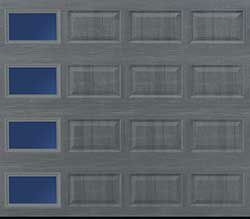
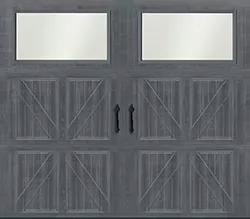
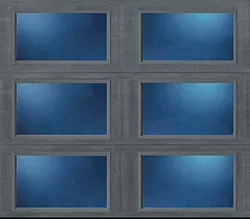
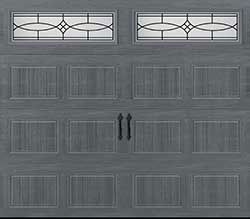
Your garage door plays a big role in your home’s overall style, and the color you choose for your garage walls should work well with it. Modern doors, classic raised-panel designs, and wood-look finishes all have different tones and personalities, so it helps to pick a wall color that supports the look you already have.
Here is some practical guidance on how to coordinate your garage wall color with your garage door style for a more unified, intentional feel.
|
Best Color for Garage Walls Based on Garage Door |
||
| Garage Door Style | Best Wall Colors to Pair With It | Why This Works |
| Modern and Contemporary | Light gray, greige, soft off white | Lighter colors help reflect light, allowing the space to feel bright and open. |
| Traditional or Carriage House | Beige, warm tan, creamy off white | Warm tones pair nicely with more classic designs and wood accents, adding warmth and blending well with classic architectural details. |
| Bold Colors | Neutral beige, light gray, greige, warm off white | Neutral garage walls help bold garage doors stay the focal point, while also preventing the garage from feeling too dark or heavy. |
| Wood Style | Warm neutrals, tan, greige | Warm, neutral colors echo the natural warmth of wood, helping to create a cohesive, earthy look inside the space. |
| Insulated or Steel Panels | Cool grays, light neutrals | These shades match the clean, durable vibe of metal doors and help brighten up interior workspaces. |
| Glass-Panel or Modern Aluminum | Soft white, light gray | Light, airy colors complement sleek designs and help reflect plenty of light for a crisp, modern feel. |
When Paint Isn’t Enough: It Might Be Time for a New Garage Door
A fresh coat of paint can do wonders for your garage. But if your garage door is outdated, damaged, or dragging down the look of your home, paint alone can only go so far.
If this resonates with you, it might be time for an upgrade. A new garage door can breathe new life into a home, helping it feel more updated, cohesive, and instantly more attractive from the street.
Ready for a change? We’re here to help! Get in touch today for a free garage door consultation and quote.
Frequently Asked Questions About Finding the Best Color for Garage Walls
How do I properly prep garage walls before painting?
Before painting, always clean off dust, dirt, and grease from the walls. Next, repair any cracks or holes in the drywall, making sure to sand down any rough areas. Once the surface is smooth, apply a high-quality primer, especially if you’re working with unfinished drywall or older paint.
Do I need primer when painting garage walls?
Most of the time, yes. Primer seals porous surfaces, covers stains, and helps your paint color go on evenly. This is especially important for unfinished drywall, patched areas, and bare concrete. Using primer also improves the durability of your paint, which is crucial in a space that sees as much wear and tear as a garage.
What’s the best color and finish combination for garage walls?
A great go-to is a light color (like light gray or off white) paired with a semi-gloss finish. The lighter shade helps brighten the space, while semi-gloss is durable, easy to clean, and reflects more light. If you prefer something a bit softer, eggshell is another solid choice that still holds up well in high-traffic areas.
Need help? Call Proactive
Refreshing the whole garage? A worn or noisy door is easy to fix. See our garage door repair services or book a $49 tune-up. Call (440) 876-4444; the estimate is free.